Lifting & Handling Support

4

We provide specialized engineering support for lifting and material-handling operations, ensuring safe, efficient, and code-compliant execution of lifting activities across industrial, commercial, and infrastructure projects. Our services support both temporary and permanent lifting arrangements and are tailored to project-specific operational, environmental, and regulatory requirements.

Our approach integrates structural analysis, load evaluation, stability assessment, and site condition review to verify lifting feasibility and mitigate risk. We work closely with project teams and safety personnel to ensure lifting operations are engineered with clear load paths, adequate support conditions, and appropriate safety margins.

Engineering considerations include dynamic effects, wind influence, ground bearing capacity, and interaction with existing structures, supporting reliable performance throughout planning and execution. Our involvement helps reduce uncertainty, improve coordination, and support safe lifting operations from planning through execution.

Our key deliverables include:

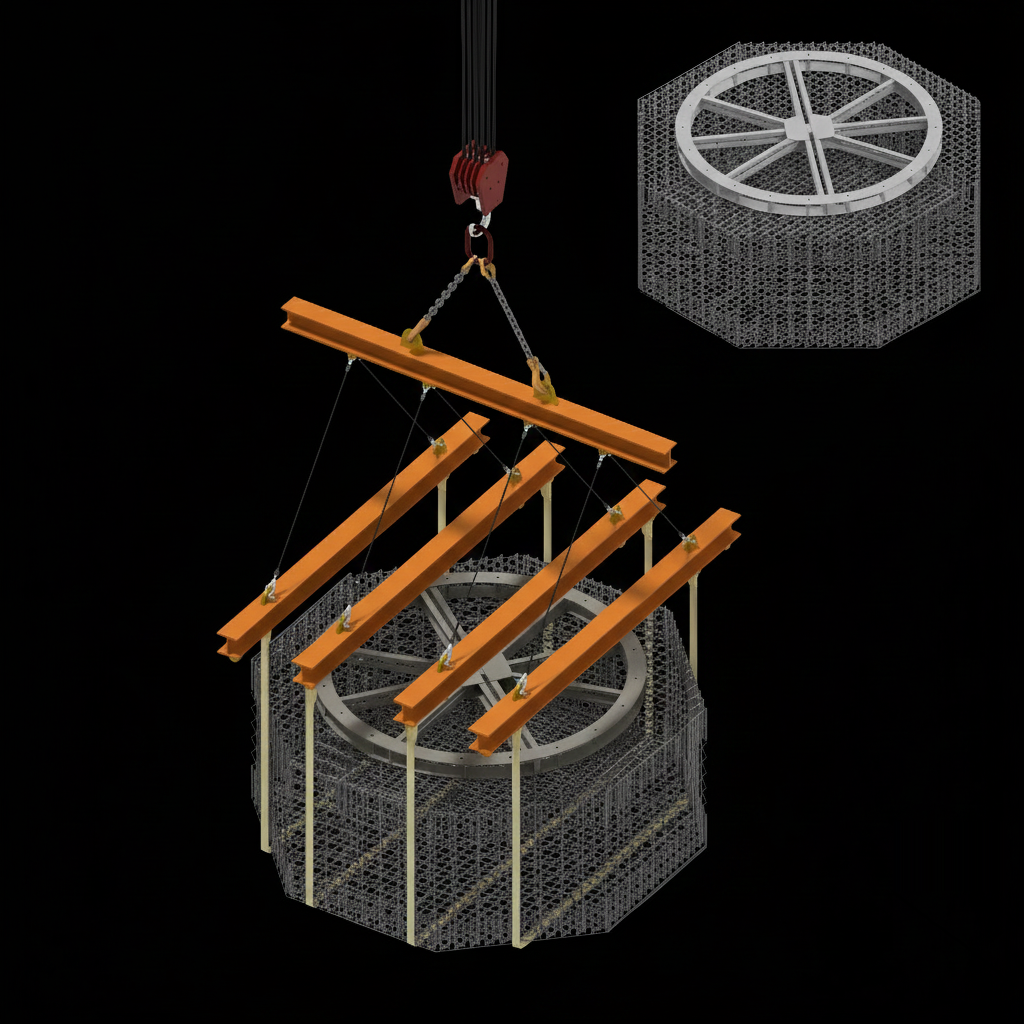
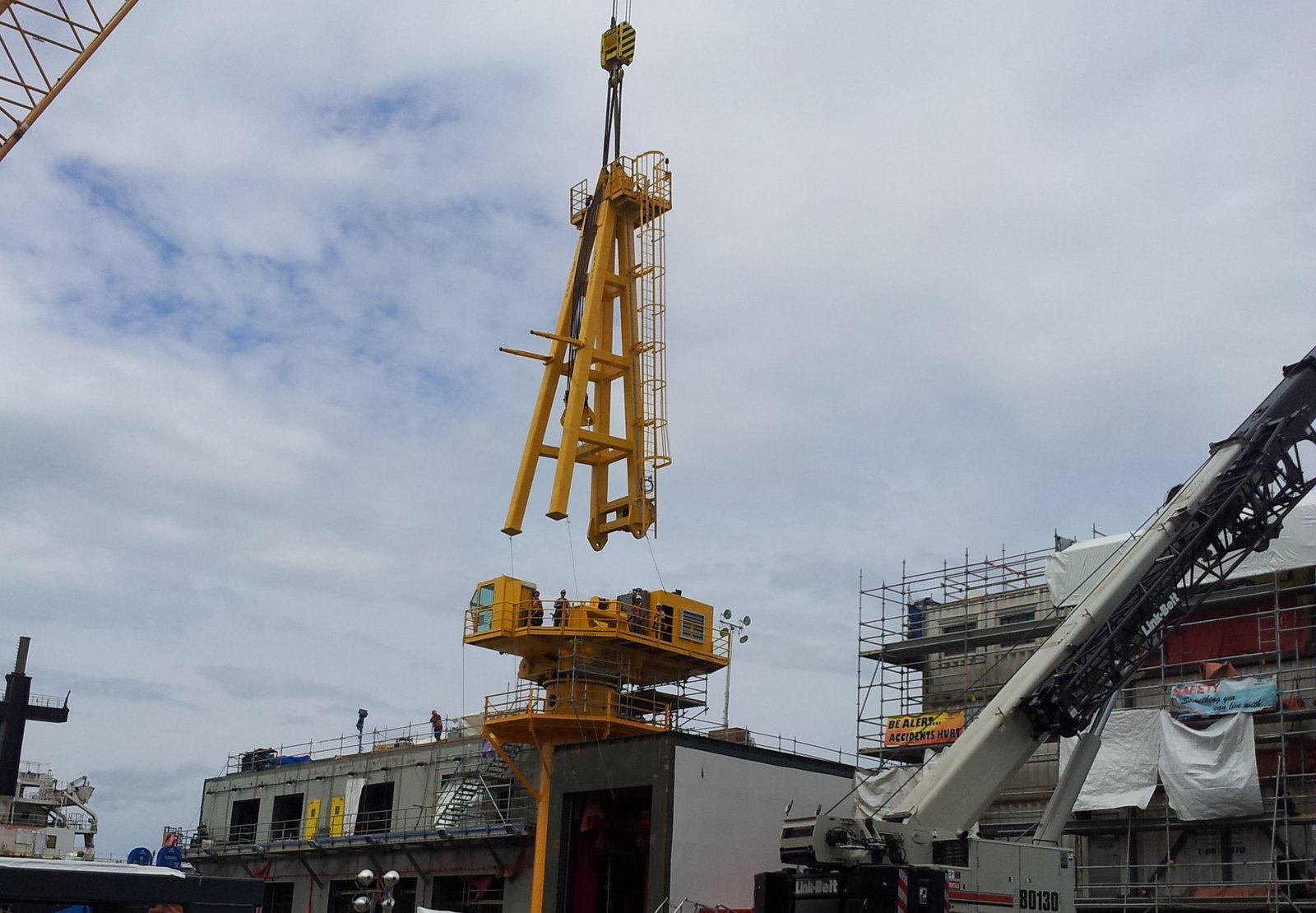
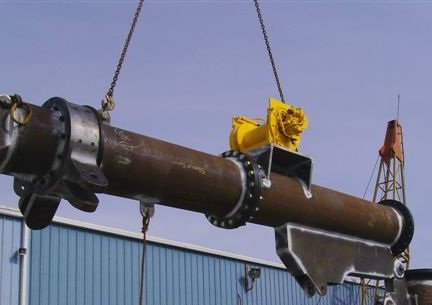
We prepare engineered lift plans for both onshore and offshore heavy lifting operations, ensuring safety and stability during every phase of the lift. Each plan is developed based on site conditions, equipment configuration, and load path analysis.

We provide engineering support for critical lifting and rigging operations, ensuring lifts are planned and executed with a high level of safety, reliability, and regulatory compliance. Our services focus on lifts involving elevated risk due to load magnitude, site constraints, environmental conditions, or interaction with existing structures and operations.

Our approach integrates load assessment, stability evaluation, and risk-based engineering review to confirm that lifting operations are feasible and appropriately controlled. We work closely with project teams to evaluate lifting scenarios, identify potential failure modes, and establish engineering controls that support safe execution.

Engineering considerations include load paths, dynamic effects, wind influence, support conditions, and interface with temporary or permanent structures, helping ensure lifting activities are clearly defined, technically sound, and aligned with project and safety requirements.

Scope of Services

  • Engineering evaluation of critical lift conditions and constraints
  • Verification of applied loads, load paths, and safety factors
  • Assessment of support conditions and ground bearing capacity
  • Review of stability and operational clearances
  • Coordination with project teams and safety personnel
  • Technical review and support through planning and execution phases

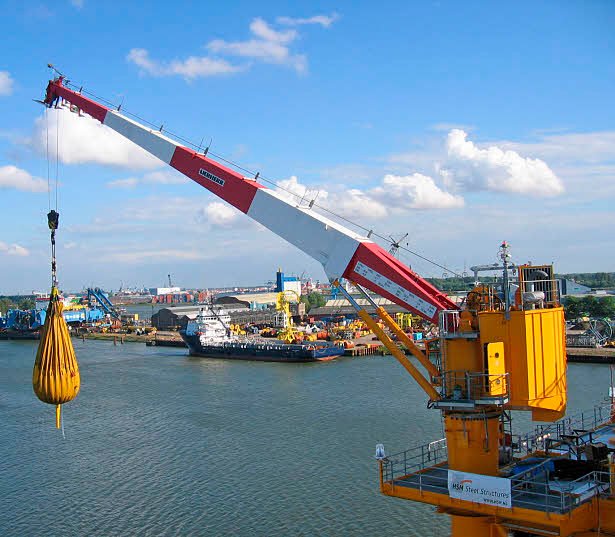
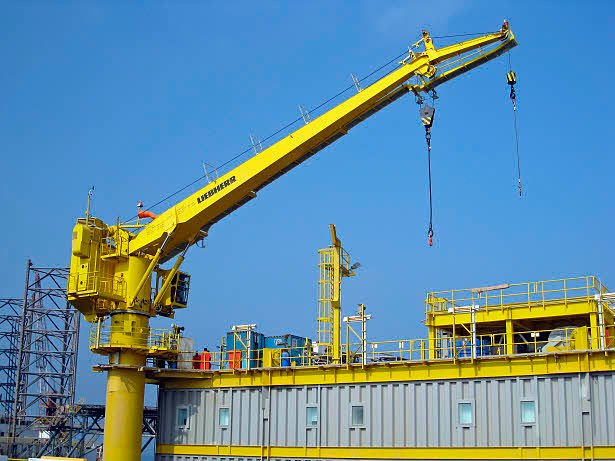
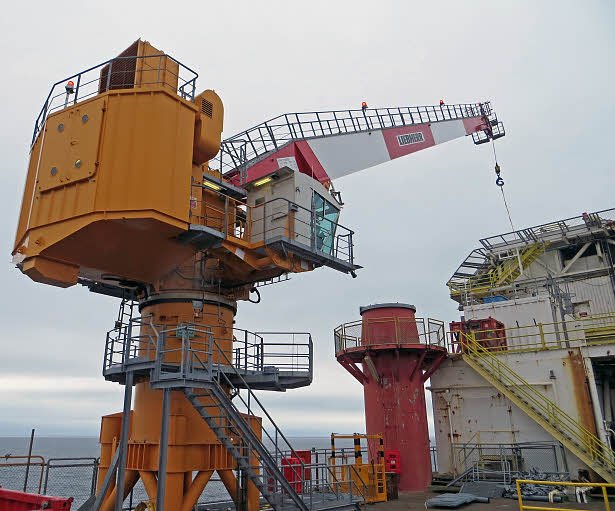
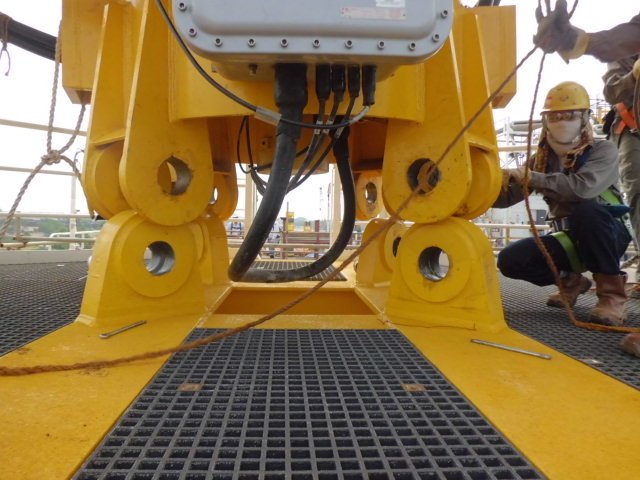
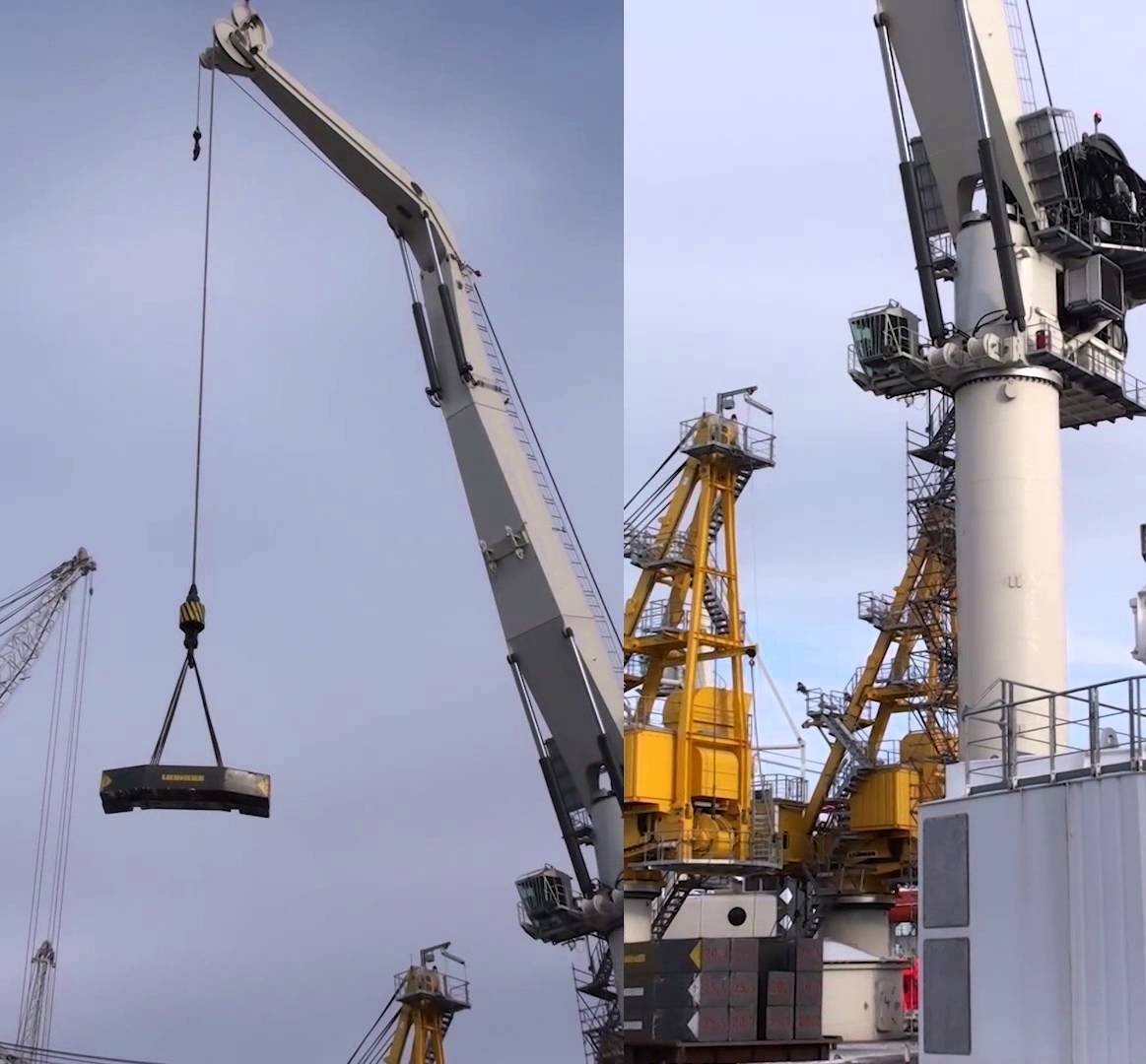
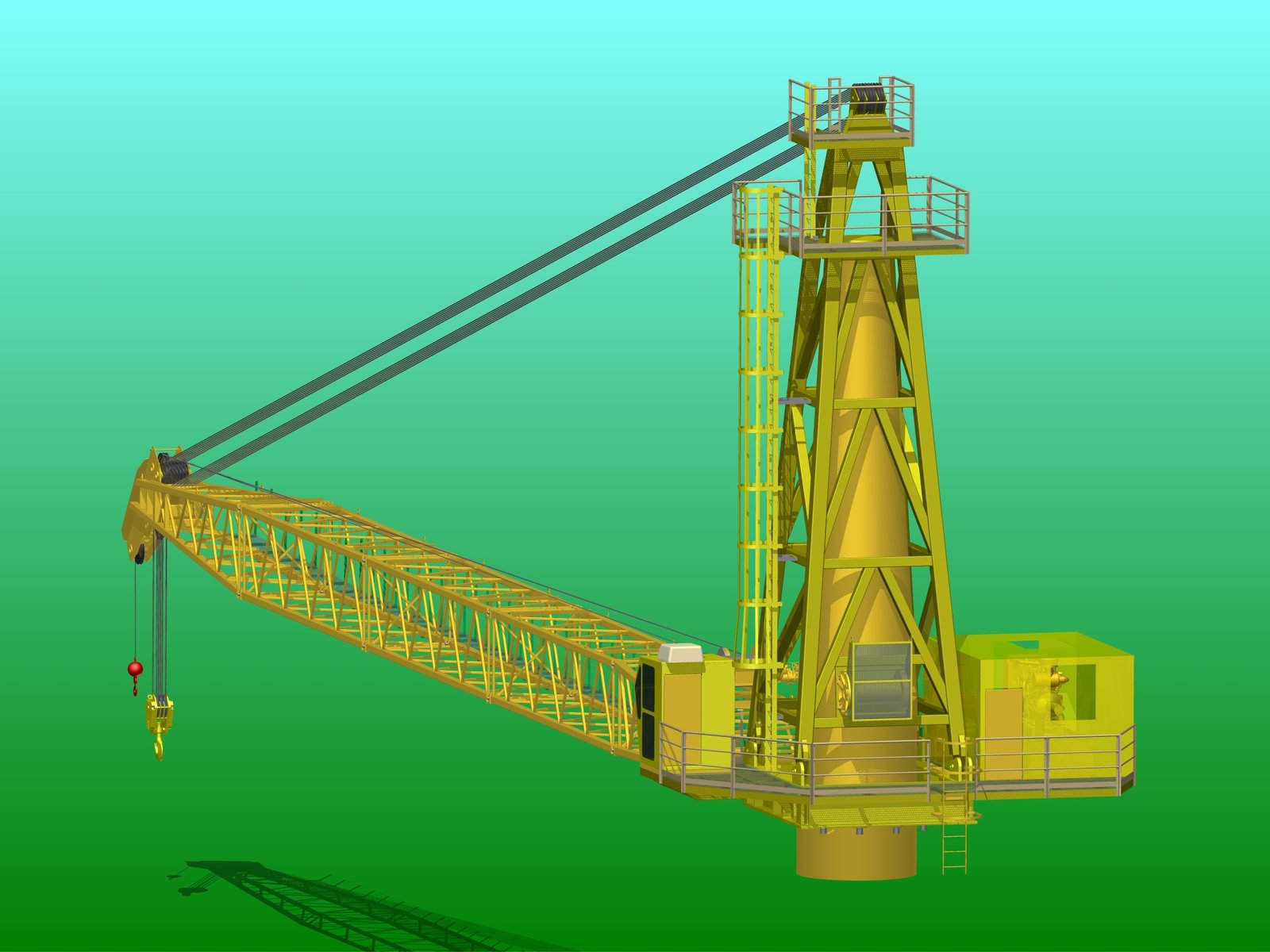
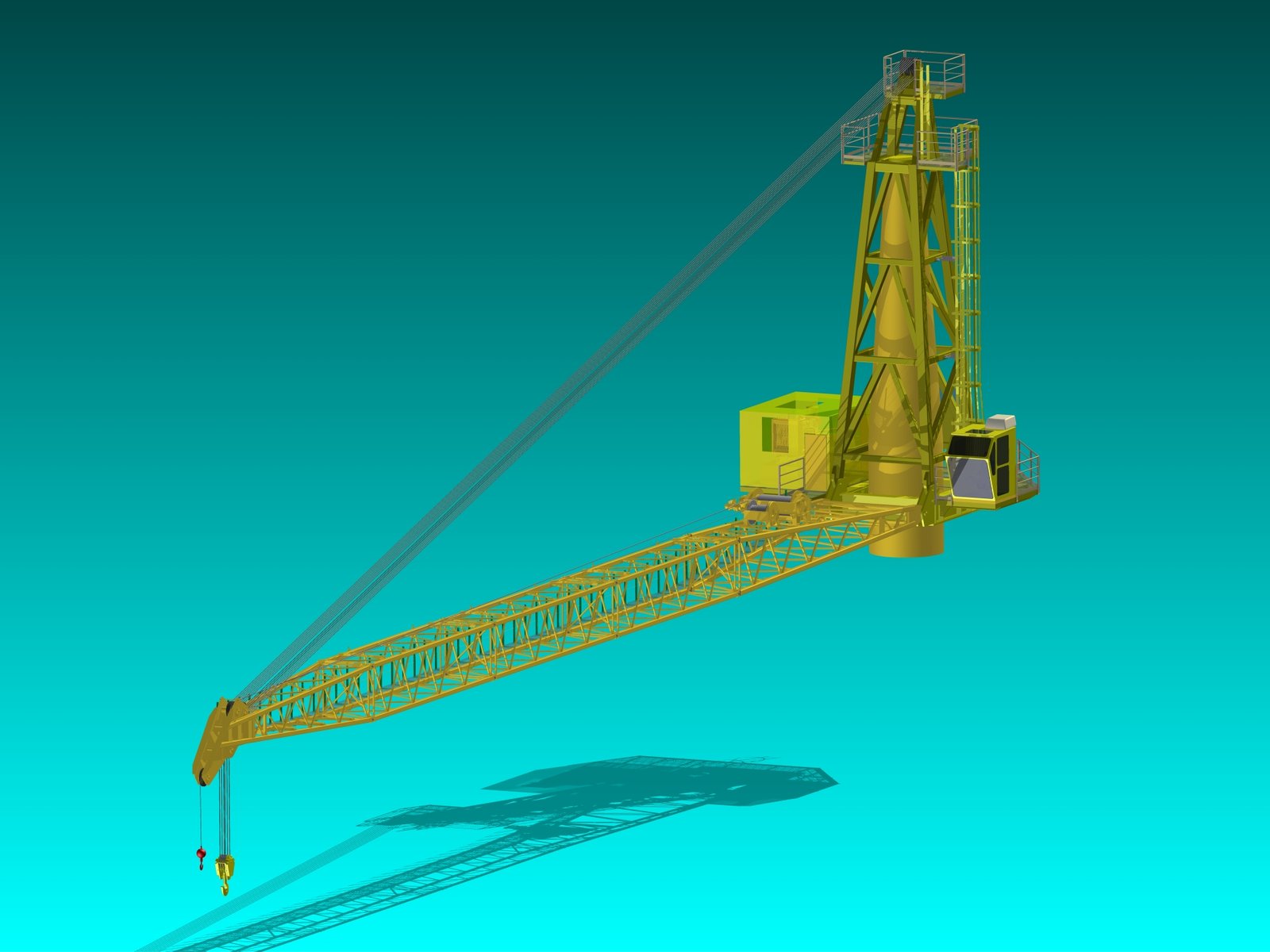
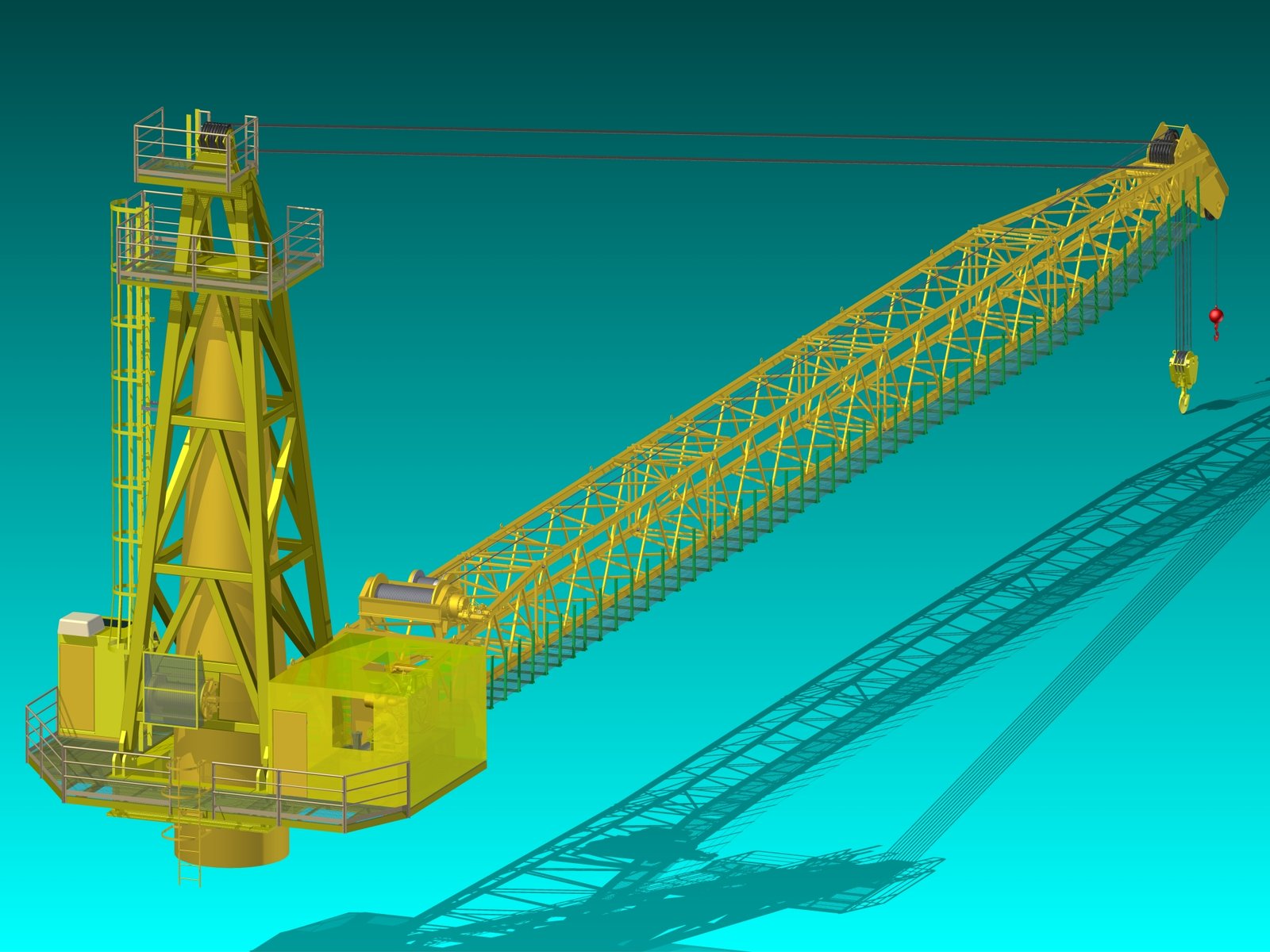
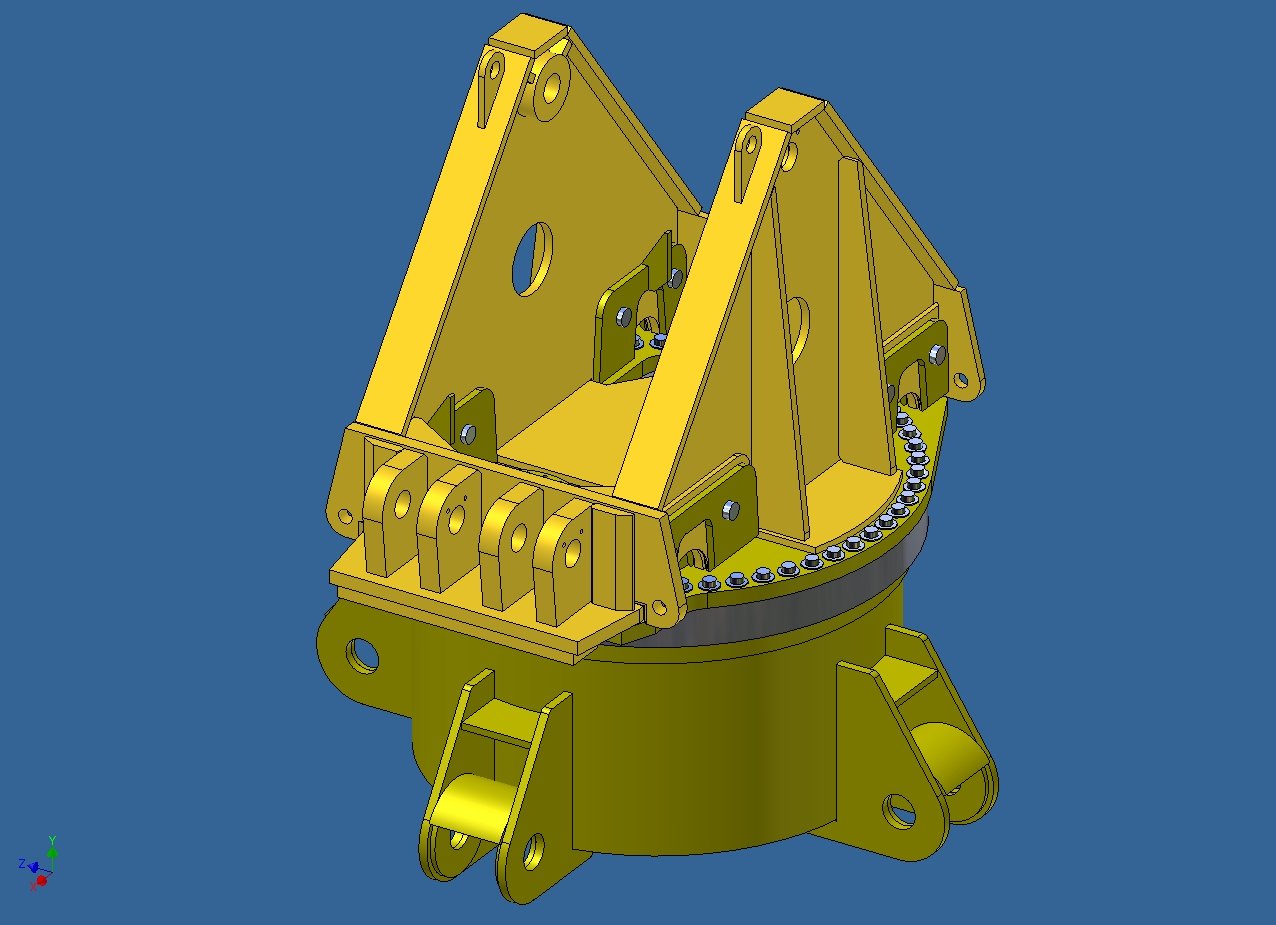
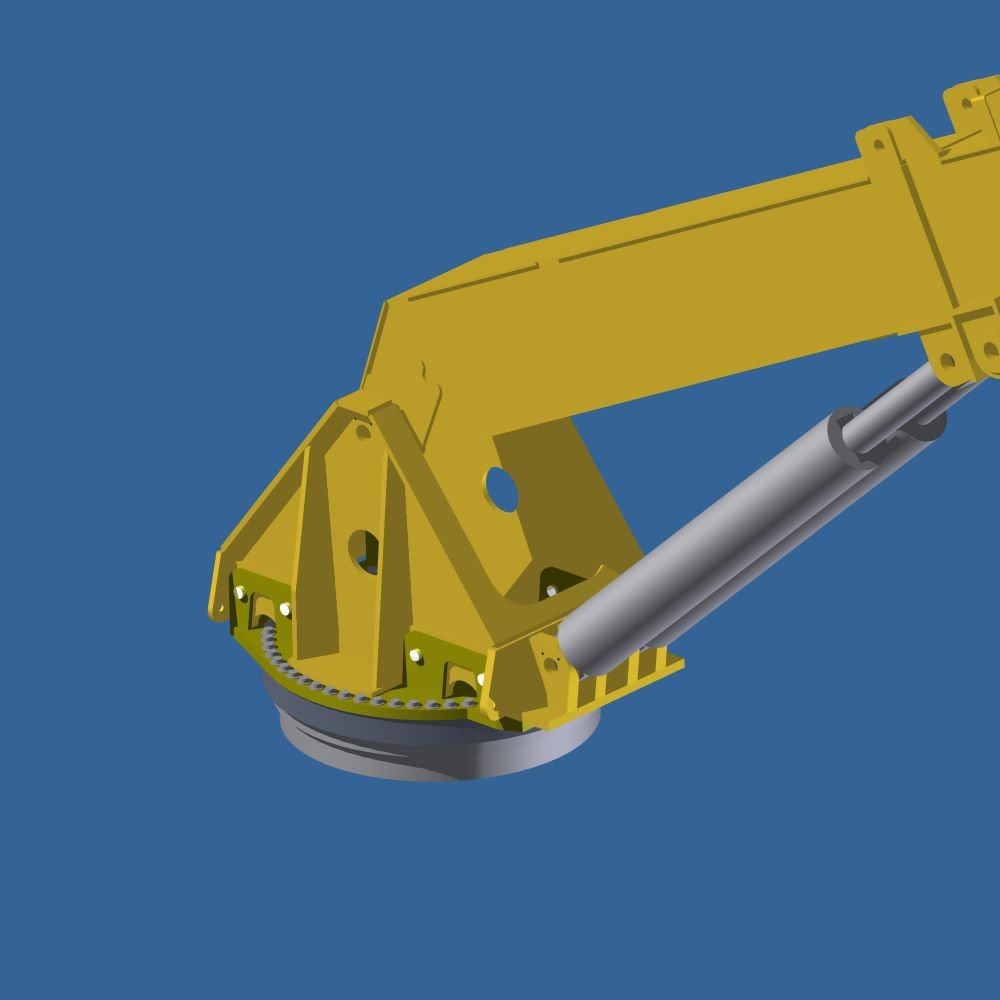
We design and verify the structural integrity of cranes, lifting frames, and custom handling devices - from concept to certification. Our services cover both new equipment design and modification or refurbishment of existing cranes.

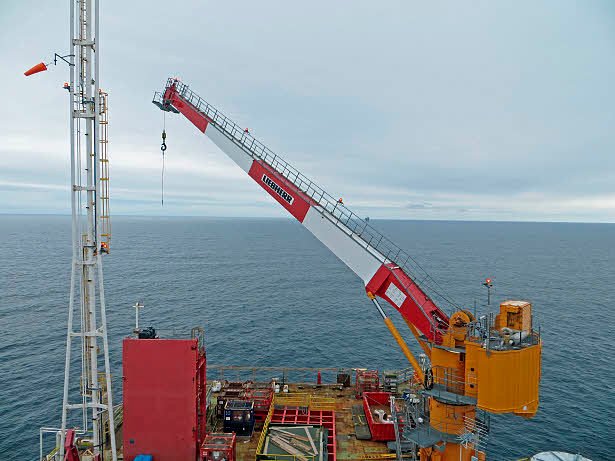
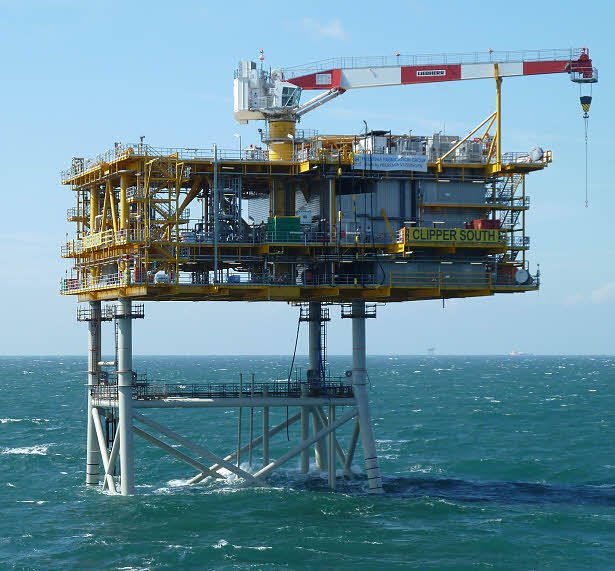
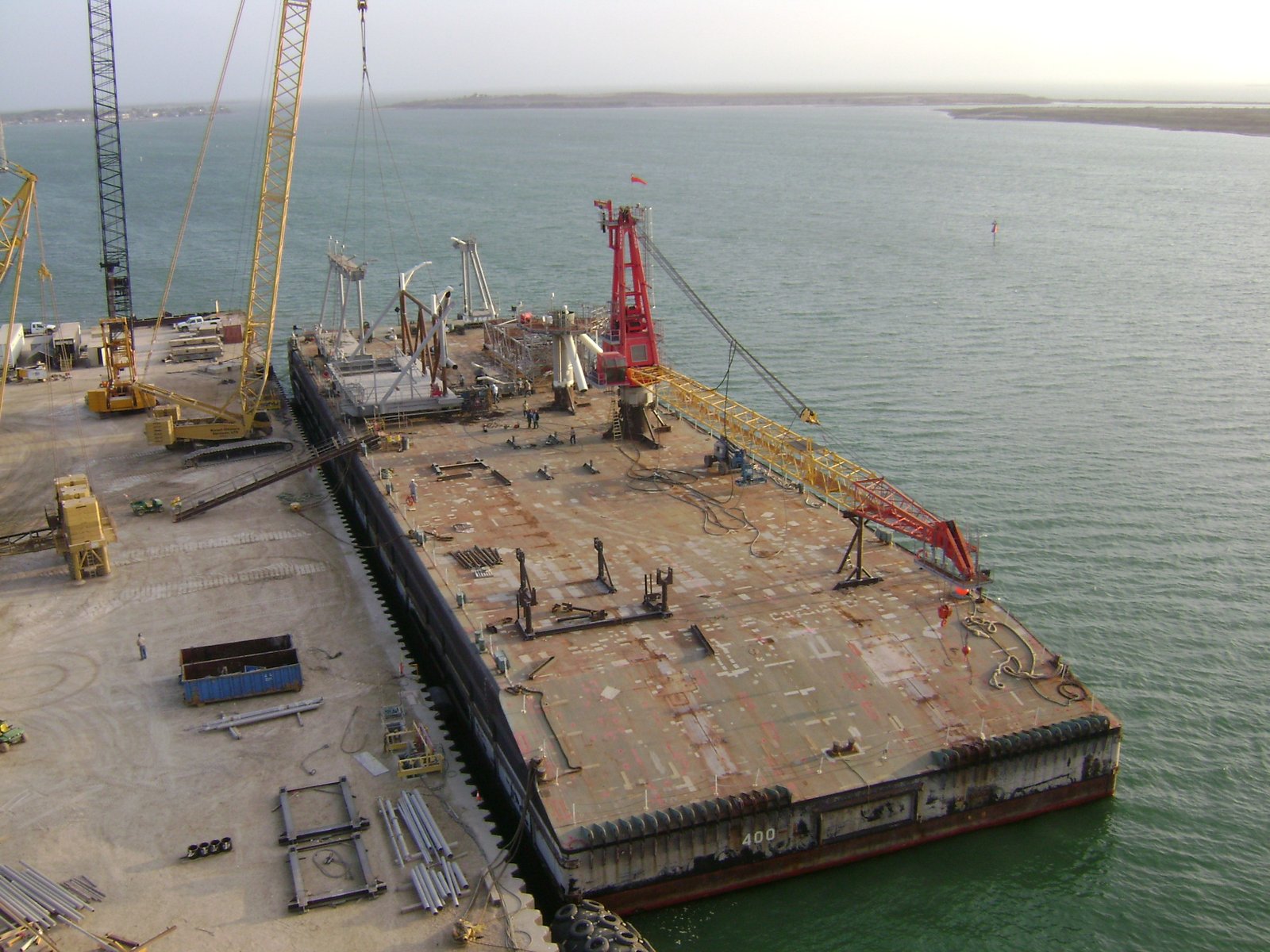
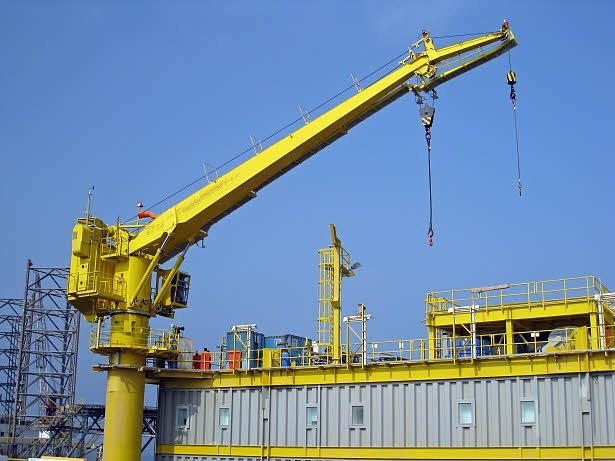
We provide specialized structural engineering services for lifting equipment and offshore crane systems, supporting safe and reliable performance in marine, offshore, and port environments. Our designs address the unique challenges of dynamic loading, fatigue, corrosion exposure, wind and wave effects, vessel motion, and demanding operational conditions.

Our approach integrates advanced structural analysis, lifecycle engineering, and standards-based compliance to develop robust and efficient designs suitable for both permanent and operational lifting systems. We support projects across fixed offshore platforms, floating units, and port and harbor facilities, ensuring designs are aligned with site-specific constraints and operational requirements.

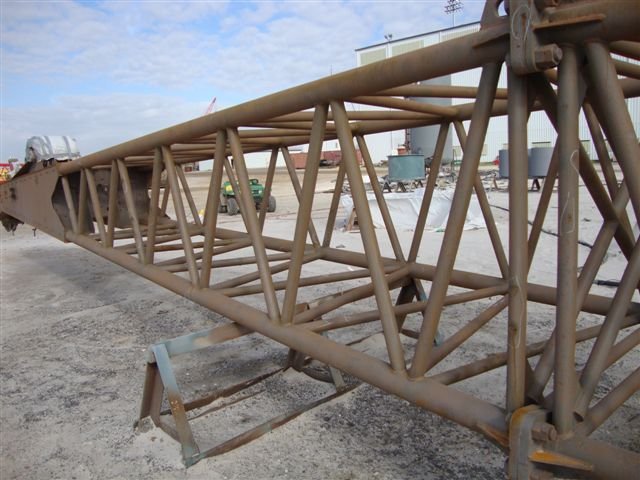
Engineering evaluations consider strength, stability, fatigue life, dynamic response, and defined operating envelopes, as well as interfaces with supporting structures such as decks, pedestals, foundations, and supporting frames. Our work supports new designs, upgrades, re-ratings, and in-service evaluations, helping ensure long-term structural integrity and operational safety.

We provide integrated engineering support for API 2C compliance and third-party certification, helping manufacturers, owners, and operators navigate the requirements for design, manufacturing, testing, and operation of offshore and lifting equipment.

Our services bridge engineering design, fabrication practice, testing validation, and operational use, while coordinating with recognized certification and classification bodies such as ABS, DNV, BV, and LR. We support alignment of structural analysis, fatigue assessment, load testing evaluation, and operating limits with certification expectations.

Engineering involvement includes verification of design criteria, review of load cases and operating conditions, assessment of fatigue and stability, and support during certification review cycles, reducing approval risk and minimizing rework.

Standards & Code Alignment

Our lifting equipment and offshore crane designs are developed in alignment with applicable international codes, industry standards, and classification requirements, including:

  • API 2C – Offshore Crane Design, Manufacturing, Testing & Operation
  • ISO 19901 / ISO 4301 / ISO 8686 – Offshore and lifting equipment standards
  • DNV Rules & Standards – Offshore lifting appliances and structural design
  • ABS Rules – Offshore lifting devices and structural verification
  • Bureau Veritas (BV) & Lloyd’s Register (LR) requirements
  • Applicable ASCE, AISC, and project-specific specifications

Design assumptions, analysis methods, and acceptance criteria are aligned with the governing standard and certification pathway to support efficient approval and long-term compliance.

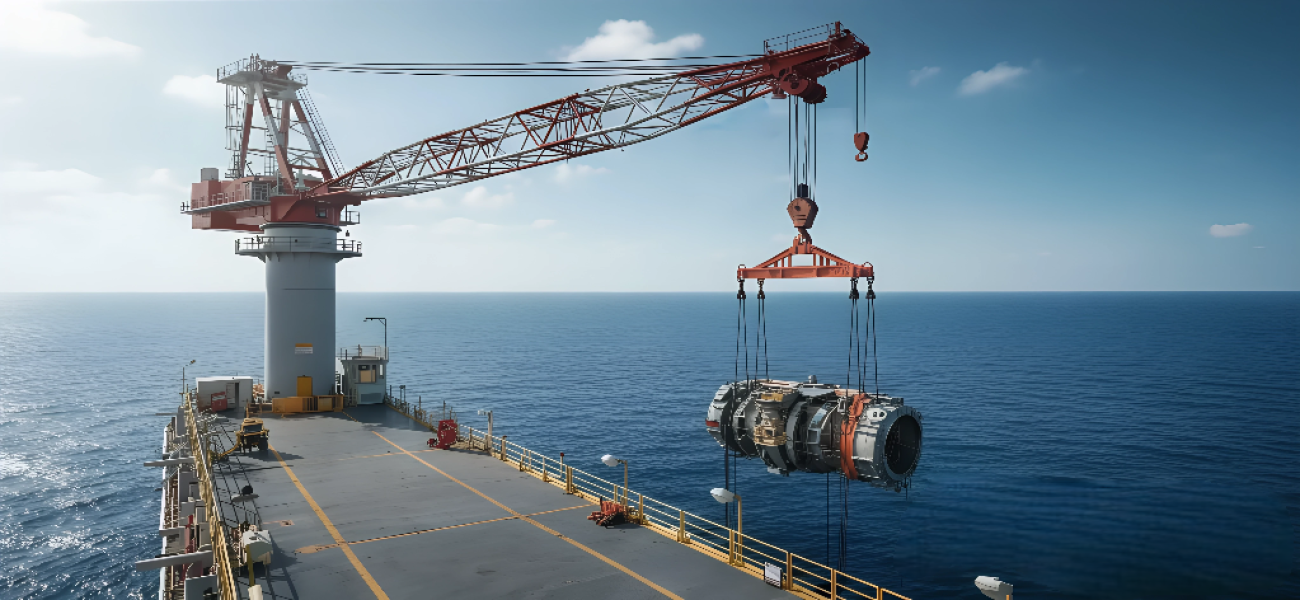
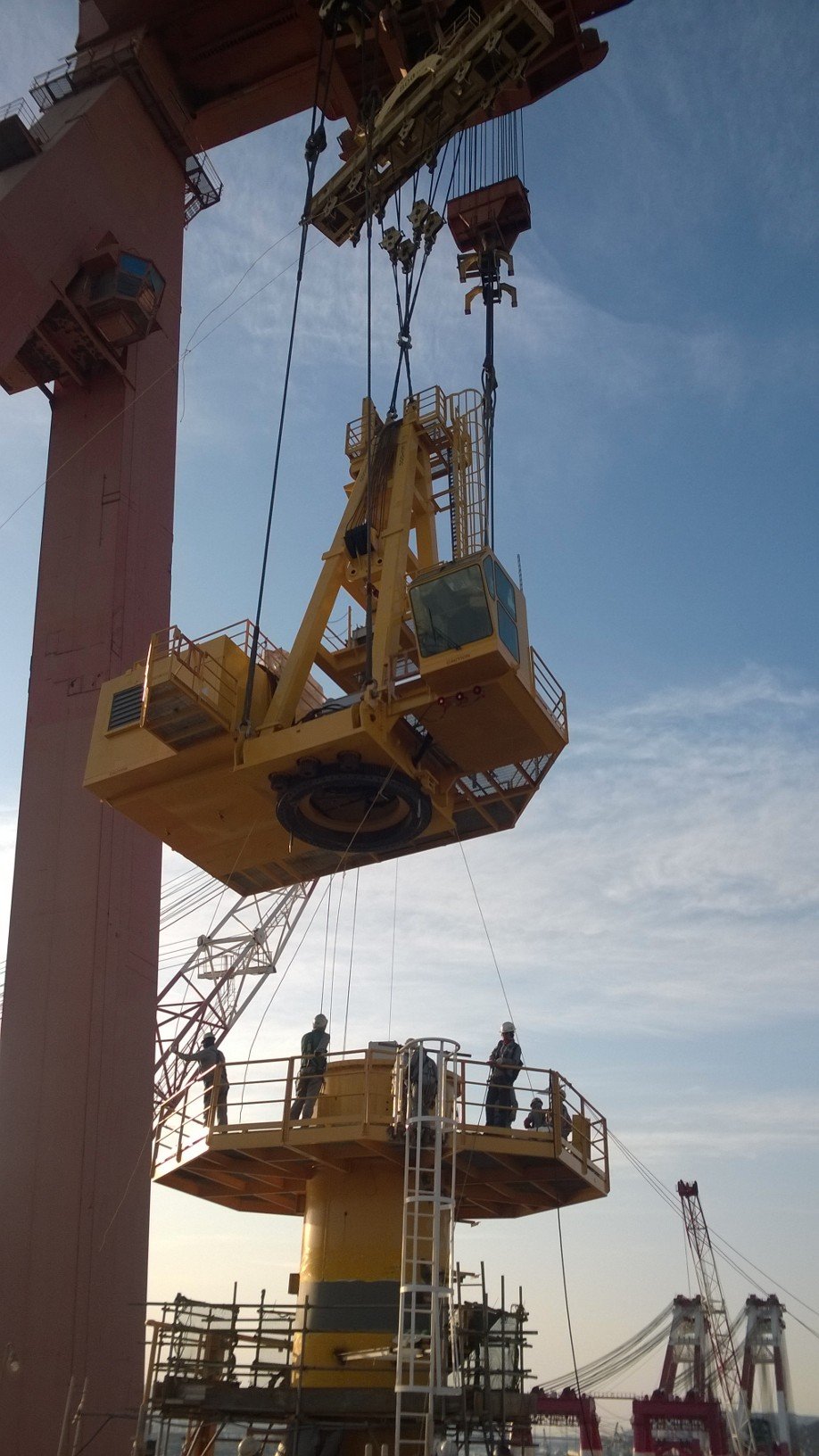
We prepare engineered lift and change-out procedures for replacement of heavy plant equipment - such as turbines, compressors, heat exchangers, or crane booms - where space, lifting height, and access are constrained.

We provide engineering support for heavy component change-out operations, ensuring safe, controlled, and well-planned removal and replacement of large or critical components. Our services support complex change-outs involving significant loads, constrained access, temporary conditions, and interaction with existing structures and operations.

Our approach integrates structural evaluation, load path assessment, and construction sequencing to confirm that both existing and temporary conditions can safely support the change-out activities. We focus on minimizing operational disruption while maintaining safety, stability, and compliance throughout the process.

Engineering considerations include temporary load redistribution, support conditions, stability during intermediate stages, and environmental effects, ensuring the structure and supporting systems perform reliably during removal, handling, and installation phases.

Scope of Services


  • Evaluation of existing structural capacity and load paths
  • Assessment of temporary and intermediate load conditions
  • Engineering support for removal and replacement sequencing
  • Review of support conditions, foundations, and stability during change-out
  • Coordination with lifting, rigging, and construction activities
  • Technical review of site constraints and operational interfaces

Applications

  • Our heavy component change-out planning supports a wide range of facilities and assets, including:
  • Industrial and processing facilities
  • Offshore and marine structures
  • Power, energy, and infrastructure assets
  • Port and terminal facilities
  • Equipment upgrades, replacements, and major maintenance activities
We conduct detailed fatigue and life extension studies for offshore and onshore cranes to evaluate remaining service life and future operability. Our analyses account for cumulative loading history, operational spectra, and environmental effects.

We provide fatigue life assessment and structural integrity evaluation services to support the safe, reliable, and long-term performance of structures subjected to cyclic, dynamic, and variable loading. Our studies help identify potential fatigue-critical locations, assess remaining service life, and support informed decisions for operation, maintenance, upgrade, or life extension.

Our approach integrates advanced structural analysis, fatigue theory, and standards-based evaluation to assess damage accumulation and structural performance under realistic operating conditions. We consider the combined effects of load spectra, stress ranges, environmental exposure, and operational history, delivering assessments that are technically rigorous and practically applicable.

Engineering evaluations address global and local structural behavior, stress concentrations, connection performance, and cumulative damage, supporting both new designs and existing structures. Where required, we also support integrity assessments following modifications, repairs, or changes in operating conditions.

Our experience includes fatigue and integrity studies for industrial structures, lifting equipment, offshore and marine assets, and heavy-duty infrastructure, helping owners manage risk and optimize asset lifecycle performance.

Scope of Services

  • Identification of fatigue-critical components and details
  • Evaluation of cyclic and dynamic loading effects
  • Fatigue life estimation and cumulative damage assessment
  • Structural integrity checks under service and extreme conditions
  • Assessment of remaining life for existing structures
  • Engineering support for life extension, repair, or upgrade decisions

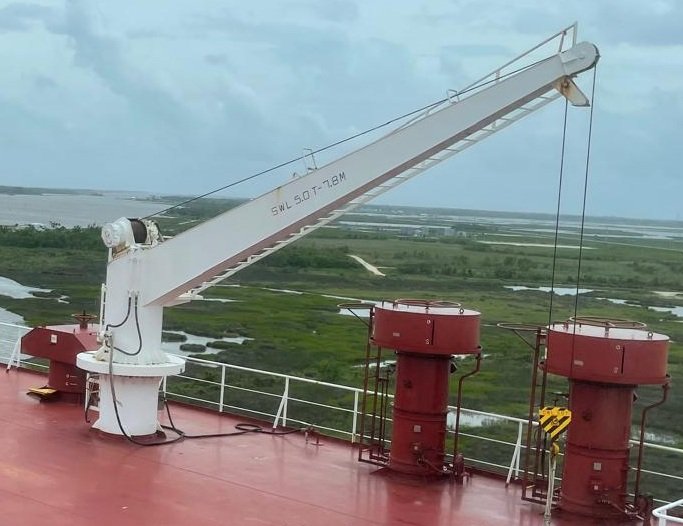
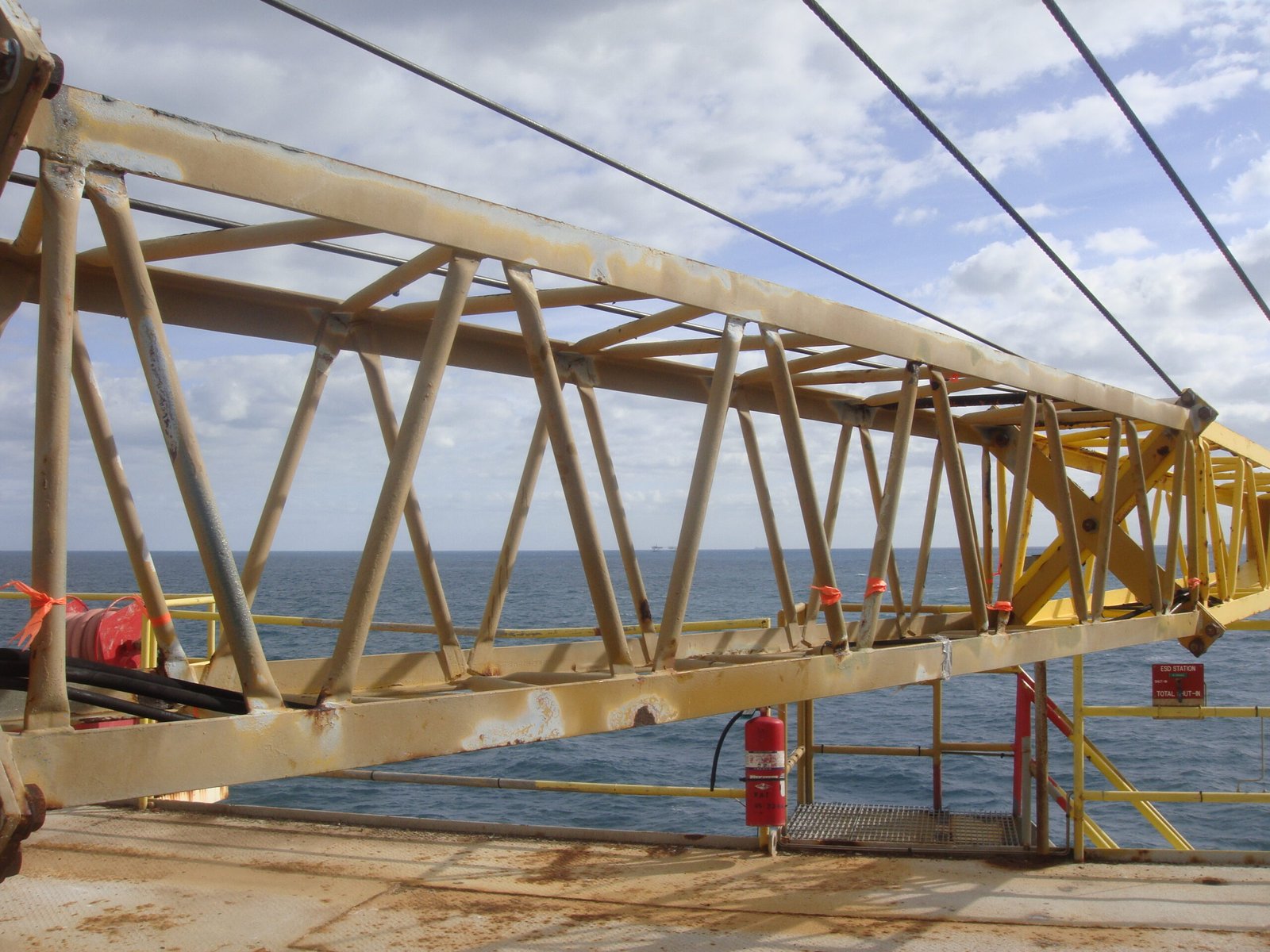
We support asset owners and maintenance teams in evaluating the condition of lifting systems and executing refurbishment projects. Our reviews assess structure, weld integrity, and load-bearing capacity against operational requirements.

We provide engineering support for crane refurbishment, upgrades, and structural modifications to extend service life, improve performance, and support compliance with current operational and regulatory requirements. Our services help owners and operators adapt existing cranes to changing load demands, operating conditions, and updated standards while maintaining safety and reliability.

Our approach combines structural assessment, load evaluation, and standards-based engineering to verify existing capacity and develop modification strategies that integrate seamlessly with the original structure. We evaluate the impact of proposed changes on strength, stability, fatigue performance, and defined operating limits, ensuring refurbished systems perform reliably under both service and extreme conditions.

Engineering evaluations consider as-built conditions, material condition, connection performance, and interface with foundations or supporting structures, supporting informed decisions for refurbishment, re-rating, or modernization. We also assist with alignment to applicable standards and certification requirements, helping streamline approvals and reduce downtime.

Our experience supports refurbishment and modification activities across industrial, offshore, marine, and port environments, enabling safe and efficient return to service.

Scope of Services

  • Assessment of existing crane structures and load paths
  • Evaluation of proposed modifications and operational changes
  • Structural analysis for upgraded loads and configurations
  • Fatigue and remaining-life considerations for refurbished components
  • Engineering support for re-rating and life-extension initiatives
  • Coordination with certification and review requirements

We support clients through the complete certification process with global classification societies. Our team provides technical documentation, design submissions, and liaison support to ensure compliance and smooth approval.

We provide engineering support for third-party certification and classification approvals, helping project teams achieve compliance with applicable industry standards and certification requirements. Our services support projects requiring independent verification for safety, structural integrity, and operational reliability.

Our approach integrates code interpretation, engineering analysis, and coordination with certifying bodies to streamline the certification process and minimize review cycles. We assist clients in navigating certification requirements by aligning design assumptions, analysis methods, and documentation with the expectations of recognized certification and classification organizations.

Our experience includes supporting certifications governed by API, ABS, Bureau Veritas (BV), DNV, Lloyd’s Register (LR), and similar authorities, ensuring technical consistency, traceability, and compliance throughout the review process.

Scope of Services

  • Interpretation of certification rules, standards, and technical guidelines
  • Alignment of design criteria and analysis methods with certification requirements
  • Engineering analysis and verification to support certification reviews
  • Technical responses to third-party comments and clarification requests
  • Coordination between project teams and certification reviewers
  • Support through initial review, resubmittals, and final approval stages
All lifting and handling engineering documents undergo Professional Engineer (PE) review and sealing where required by jurisdiction or client specification. The PE stamp ensures that lifting plans, design calculations, and equipment verifications meet all applicable codes and safety standards. This process provides documented assurance for regulatory submission, insurance, and operational authorization.

We provide independent Professional Engineer (PE) review services for lifting and material-handling operations to verify technical accuracy, safety margins, and compliance with applicable codes, standards, and project requirements. Our reviews support owners, contractors, and project teams by reducing operational risk and increasing confidence in engineered lifting plans.

Our approach focuses on objective verification of assumptions, load calculations, stability checks, and structural interfaces, while maintaining a collaborative and practical review process. We evaluate whether lifting operations are appropriately engineered for site conditions, environmental effects, and interaction with supporting structures or foundations.

Reviews consider load paths, dynamic effects, wind influences, ground bearing conditions, and temporary support arrangements, helping ensure lifting activities are executed safely and in accordance with regulatory and industry expectations.

We provide engineering support in accordance with API 2C to assist with crane design, manufacturing, testing, and operational compliance. Our services help ensure cranes are engineered, fabricated, evaluated, and operated in alignment with industry-recognized requirements for structural integrity, safety, and long-term performance.

Our approach combines API 2C code interpretation, structural and mechanical evaluation, and lifecycle engineering support to bridge the gap between design intent, manufacturing execution, testing validation, and real-world operation. We work with manufacturers, owners, and operators to support compliance throughout the equipment lifecycle.

PE Review – Lifting & Crane Operations

All lifting and handling engineering documents undergo Professional Engineer (PE) review and sealing where required by jurisdiction or

3rd Party Certification Support (API, ABS, BV, DNV, LR, etc.)

We support clients through the complete certification process with global classification societies. Our team provides technical documentation, design

Condition Review, Refurbishment & Modification Engineering

We support asset owners and maintenance teams in evaluating the condition of lifting systems and executing refurbishment projects.

Fatigue Life Assessment & Structural Integrity Studies.

We conduct detailed fatigue and life extension studies for offshore and onshore cranes to evaluate remaining service life

Heavy Component Change-Out & Replacement Plans

We prepare engineered lift and change-out procedures for replacement of heavy plant equipment - such as turbines, compressors,

Crane and Lifting Equipment Design

We design and verify the structural integrity of cranes, lifting frames, and custom handling devices - from concept

Critical Lifting and Rigging Plans

We prepare engineered lift plans for both onshore and offshore heavy lifting operations, ensuring safety and stability during

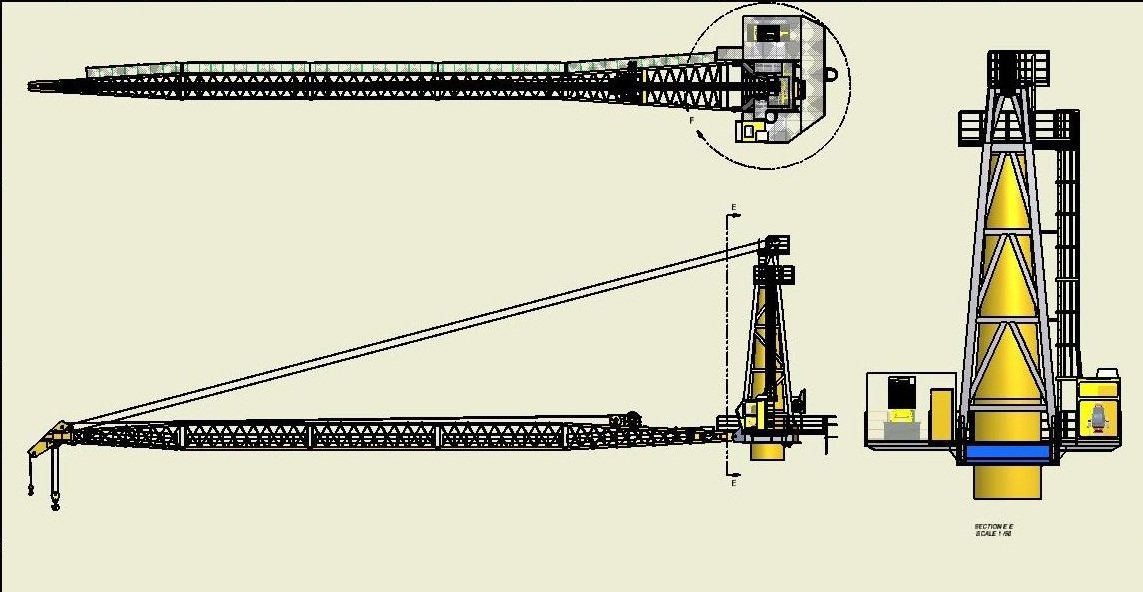
Comprehensive Drawing Packages

Our deliverables include a full set of engineering drawings to guide the construction process:
  • General Arrangement (GA) Drawings: These provide an overview of the entire structure, showing the location and arrangement of major structural elements.
  • Detail Drawings: These offer specific instructions for the fabrication and erection of individual components,ensuring accuracy during construction.